The most expensive mistake in pro audio procurement isn't picking the wrong brand. It's failing to define the system scope in the contract. Who handles commissioning? Who configures the network? Who confirms the amplifier matches the loudspeaker load? These sound like minor details. They're not. Each one can cost you thousands or delay your project by weeks.
I manage purchasing for a production company. About $200K a year in equipment and services, spread across 6 to 8 vendors. I'm not an audio engineer—I know just enough about crossover points and coverage patterns to be dangerous. But I've signed a lot of audio contracts over the past 5 years, and I've made my share of expensive mistakes. From where I sit, some things matter more than specs.
A $95K Lesson
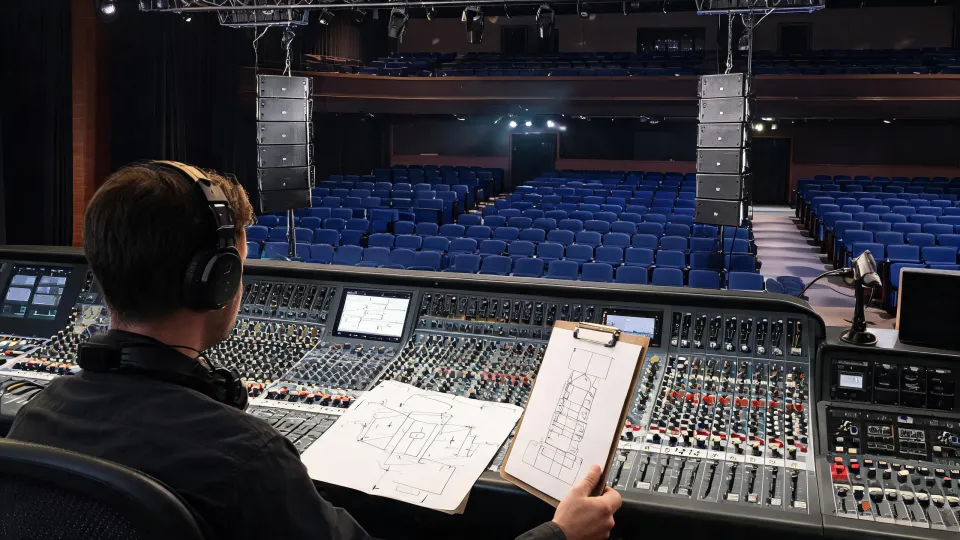
In late 2023, we upgraded the sound system for an 800-seat multipurpose venue. Budget: around $95K. The proposal included a Martin Audio WPS line array for main coverage, two Martin Audio XP15s for front fill, and a DiGiCo digital console to replace the old analog desk.
On paper, it looked complete. The problem: the contract said "supply and install the above equipment" but didn't specify commissioning responsibility.
Equipment arrived. Nothing worked. The DiGiCo's Dante network wouldn't talk to the venue's existing amp rack. The supplier said they only covered hardware. The integrator said they never received a signal flow diagram. We ended up paying $8,000 for a third party to finish the job—two weeks behind schedule.
That's when I learned: the equipment list is only half the procurement. The service list determines whether the system actually works.
What I Do Differently Now
My process is simpler today, and it works better.
Before I request any quotes, I build a one-page scope sheet. Three sections:
- All hardware: loudspeakers, amplifiers, mixers, processors, cabling, mounts
- All services: installation, commissioning, training, warranty
- Who owns each line item: vendor, integrator, or our own team
This forces vendors to spell it out at the quoting stage. Does the price include commissioning? Are cables in scope? Who configures the network?
Here's something vendors won't volunteer: their "system price" usually covers only the hardware they sell. They won't proactively mention that the Dante license is extra or that mounting hardware has a 6-week lead time. If you don't ask, you don't find out until it's too late.
Two Things Buyers Miss
If you're building a similar equipment list, two points deserve extra attention.
One: newer isn't always better—especially with mixers. We switched our main console to a DiGiCo. But we kept two physical audio mixers as backups. Digital consoles are powerful, but they demand more from operators. If your venue doesn't have a full-time audio engineer, a physical mixer can actually be the more reliable choice—half a day of training and it just works. No software updates, no network troubleshooting.
That said, I'm not anti-digital. The DiGiCo has been rock solid once configured properly. But "properly configured" took us three weeks and a consultant. For a smaller venue, that trade-off might not be worth it.
Two: amplifier selection matters as much as loudspeaker selection. Here's an outsider blindspot: some buyers apply car audio amplifier logic to pro audio. Car amps focus on impedance matching and low-voltage output. Pro amps focus on continuous power, thermal management, and long-term stability. They're not interchangeable. We nearly made that mistake once—caught it during commissioning, thankfully.
When This Approach Doesn't Apply
I'll be honest: this scope-first method isn't for every situation.
If you're buying a pair of powered monitors for a conference room or a simple background music system, skip the scope sheet. Just pick a brand and compare prices. Those systems are plug-and-play with near-zero commissioning cost.
Where this method pays off is system integration projects: multiple brands, fixed installation, commissioning and long-term maintenance involved. In those projects, scope matters more than brand.
One downside: it adds 3 to 5 days to your procurement timeline. But compared to an $8,000 change order and a two-week delay, that's a trade I'll make every time.