Application continuity

Martin Audio guidance for keeping venue sound decisions useful

This guide focuses on long-running venue value: consistent documentation, maintainable settings, operator-friendly workflows, and product choices that can adapt as programming changes. The subject is not a slogan; it is the daily discipline of keeping professional audio clear, serviceable, and ready for the next event.

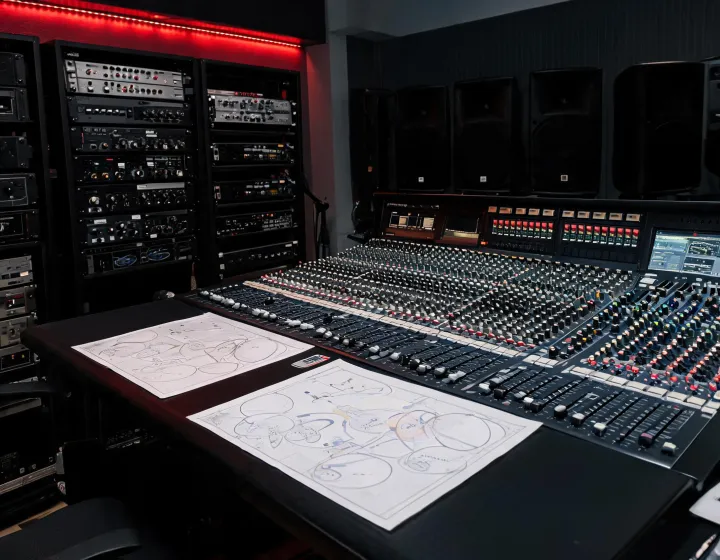
Venue audio operations desk with system documentation
Operating story

Good applications planning is remembered on quiet Tuesdays

A system may be purchased for opening night, a festival weekend, or a major conference, but most of its life happens during ordinary operation. Staff rotate, visiting engineers arrive with different habits, and rooms are used for programs that were not on the first brief. Martin Audio application guidance treats those conditions as part of the design target. A multi-use venue can easily run four or five distinct program modes in a single week, and the documentation has to carry the system between speech at plus or minus 3 dB and full-range music without a re-tune each time.

When a room can be reset, checked, and explained by the people who use it every week, the loudspeaker system has become an asset rather than a specialist dependency.

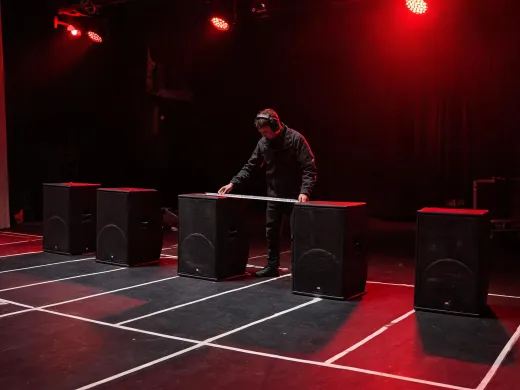
The practical work includes clear preset naming, simple signal flow notes, repeatable subwoofer choices, and system drawings that match the installation. It also includes honest discussion about limits. A compact distributed room should not be sold like an arena rig, and a touring package should not be documented as if it will never leave the warehouse. Each application deserves language and controls that fit its operating reality.

Technical trade-offs in service

The operating tensions a venue lives with after handover

Most selection trade-offs do not end at commissioning; they shape how a room is run every week. Naming them in the documentation is part of keeping the system serviceable rather than mysterious.

Sealed versus ported subwoofer behaviour

A sealed subwoofer gives a tighter, more controlled low end that survives heavy daily use and is forgiving for inexperienced operators, but it asks more amplifier power and trades some output for control. A ported cabinet is more efficient and louder for the same channels, yet it can sound boomy in a small room and exposes tuning mistakes. For a venue that swaps program nightly, control usually matters more than the last few decibels.
Optimised array versus conventional spacing

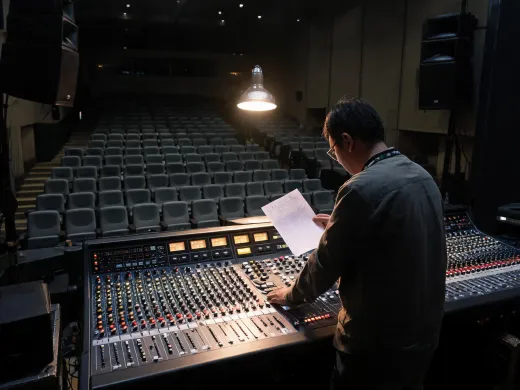
An optimised, controlled-dispersion array holds even coverage from the front rows to the last seat, which is exactly the every-seat standard installs are judged on. It costs more cabinets, tighter rigging tolerance, and longer first-time setup. A conventional spread is quicker to deploy and easier for volunteer crews, but coverage drifts toward the centre. The right answer depends on how skilled the recurring operators really are.

Fixed presets versus open operator control

Locking the system to a few documented presets protects coverage and prevents weekly drift in a multi-use room, at the price of flexibility for a visiting engineer. Leaving control open suits touring desks and experienced staff but invites slow degradation when staff rotate. Most installed venues are better served by a small, named preset set with a clearly marked path back to the reference state.

Before handover

Application checkpoints before handover

Document seating planes, fills, delayed zones, and areas where acoustic trade-offs were accepted. A clear note prevents future teams from treating a deliberate compromise as a fault.

Use labels, preset descriptions, and simple routing references so house staff can move between lecture, concert, rehearsal, and cinema modes without hidden assumptions.

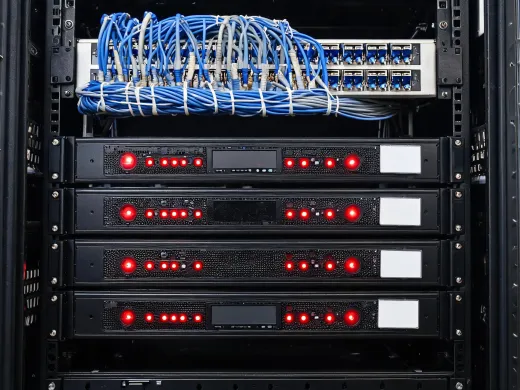
Amplifier racks, rigging points, cable paths, and spare strategy should be understandable before an urgent event call, not discovered when a show is already waiting.

A useful application record names what the system will not do. Sustained output sits below the spec-sheet peak because continuous high level drives power compression and voice-coil heating. Coverage uniformity is capped by the room shell, so a difficult acoustic cannot be fully corrected by adding boxes. Outdoor and highly reverberant programs shift the measured response away from the model and need their own tuning pass. Recording these limits keeps future operators from chasing a fault that is really a deliberate compromise.
Plan the operating path

Request an application review for your venue or touring package.

Send the system context, current documentation, and the recurring event types. We will help identify the decisions that should be clarified before the next installation, upgrade, or inventory build.